Market intelligence built on clinical foundations
Analysis and commentary on Ontario and Alberta healthcare real estate markets from a broker who understands both the clinical and commercial sides of the sector.

Medical Office Space in the GTA: The 905-Belt Supply Gap
Greater Toronto Area population growth, particularly in Brampton, Mississauga, Vaughan, Markham, and the outer Durham and Halton municipalities, is generating healthcare real estate demand that purpose-built medical office supply cannot keep pace with. This gap is creating meaningful investment and development opportunities for investors who understand the clinical drivers behind it.
Read Article →
The Landlord's Agent Sent You a Lease Offer. Do You Need Your Own Representation?
The landlord's broker works for the landlord. What that means for a clinic reviewing a lease offer, which terms are really on the table, who pays for tenant representation, and how to bring in your own advisor quickly when an offer is already in hand.
Read Article →
My Medical Lease Expires and I Have No Renewal Option: What Now?
No renewal option does not mean no leverage. How a clinic facing lease expiry can build a timeline, benchmark market rent, weigh relocation against renewal, and negotiate from a credible position with its landlord.
Read Article →
Buying a Commercial Condo for a Medical Clinic in Ontario
Owning your clinic space can build equity and control, but a commercial condo carries its own risks. Zoning, the condominium declaration, the status certificate, building systems, fees, financing, and the due diligence to complete before you are bound.
Read Article →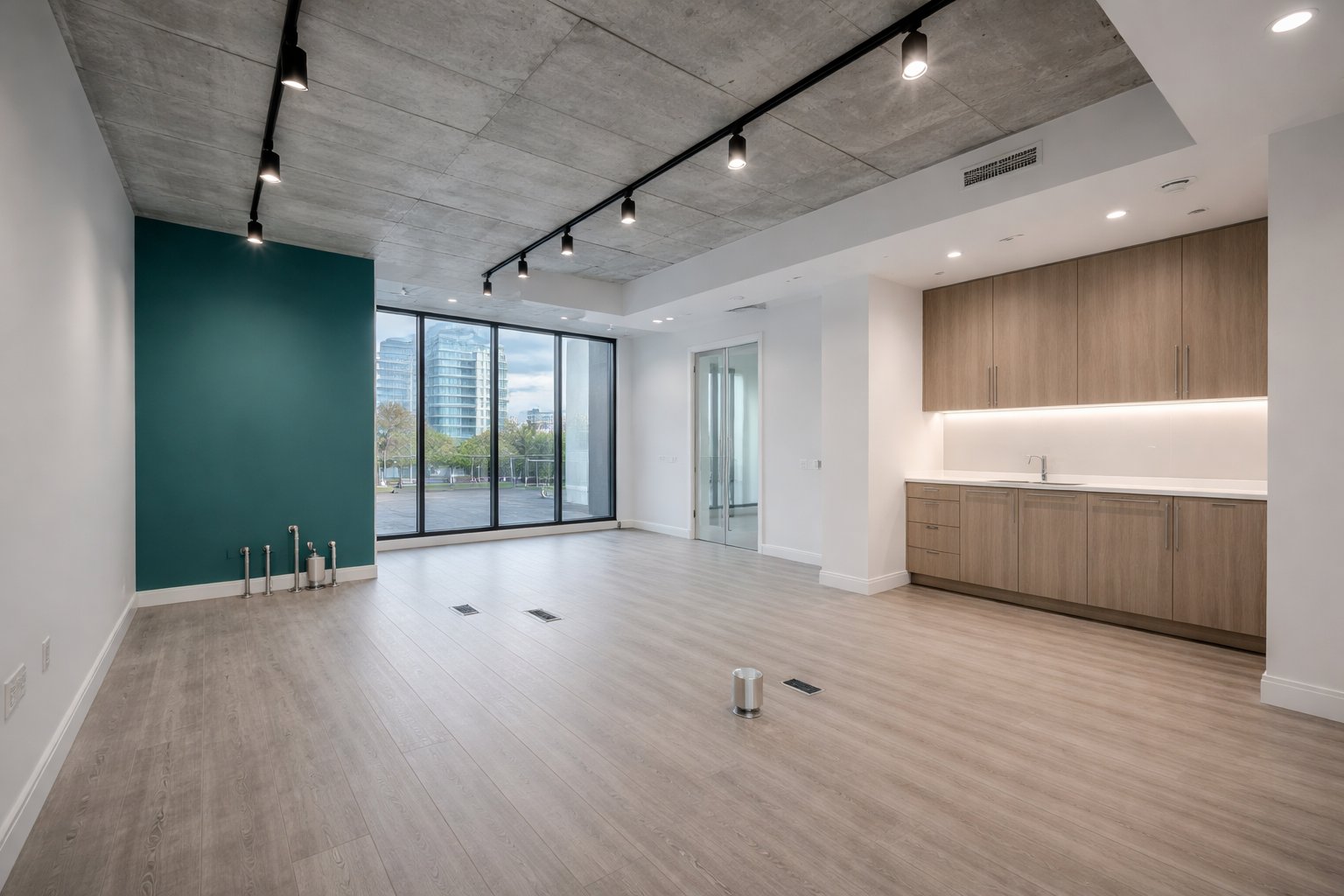
Medical Office Rent Explained: Net Rent, TMI, and What an All-In Budget Really Buys
Net rent, gross rent, and TMI are quoted differently from building to building. How medical office rent is structured, how to turn a monthly budget into a realistic size range, and what to prepare before you start touring.
Read Article →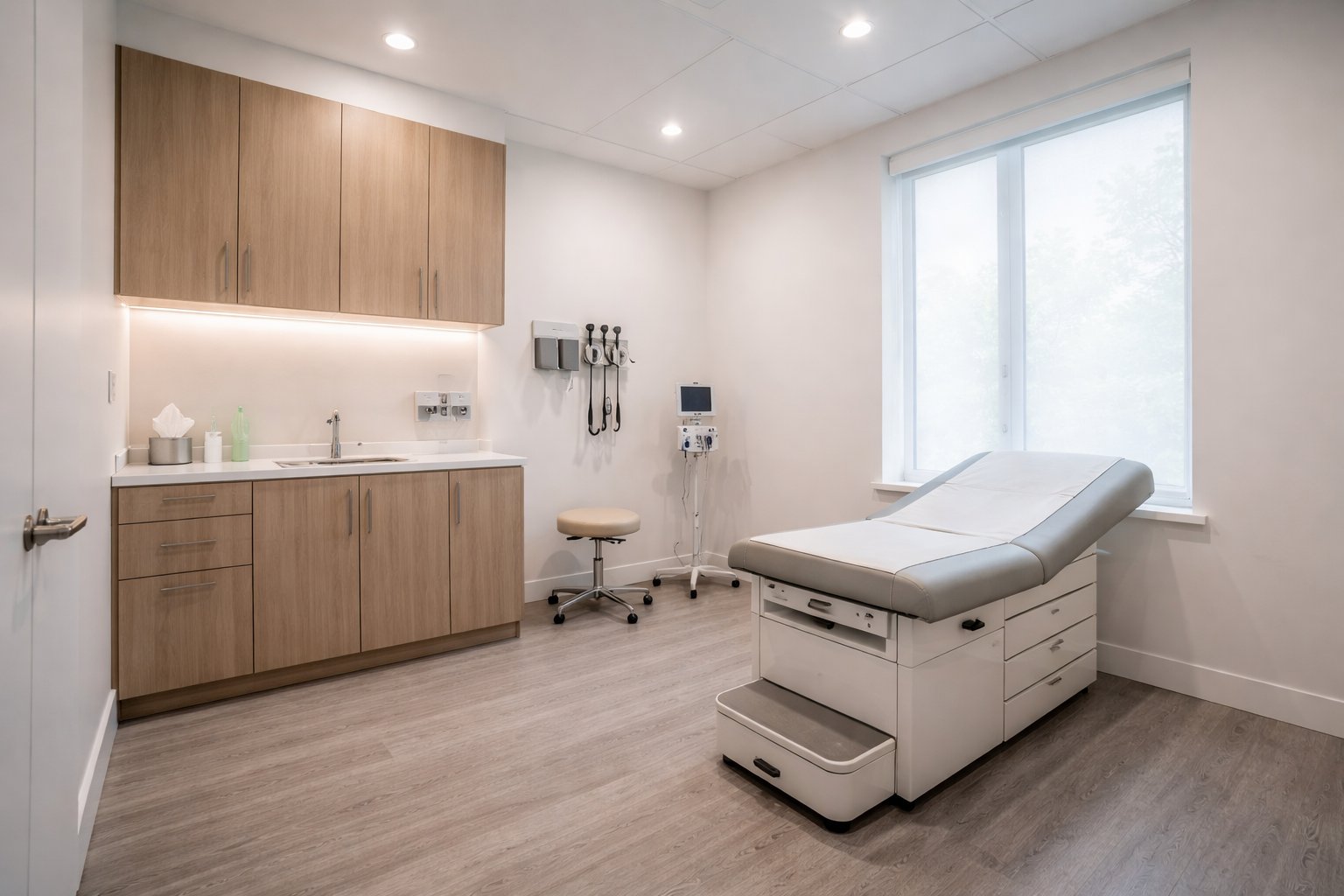
Buying a Veterinary Clinic in Ontario and the GTA: Property, Practice, and Off-Market Options
Many veterinary practices in Ontario change hands without ever being publicly listed. What DVMs should know about buying the practice, the real estate, or both, how to reach owners off-market, and what a vet hospital site needs.
Read Article →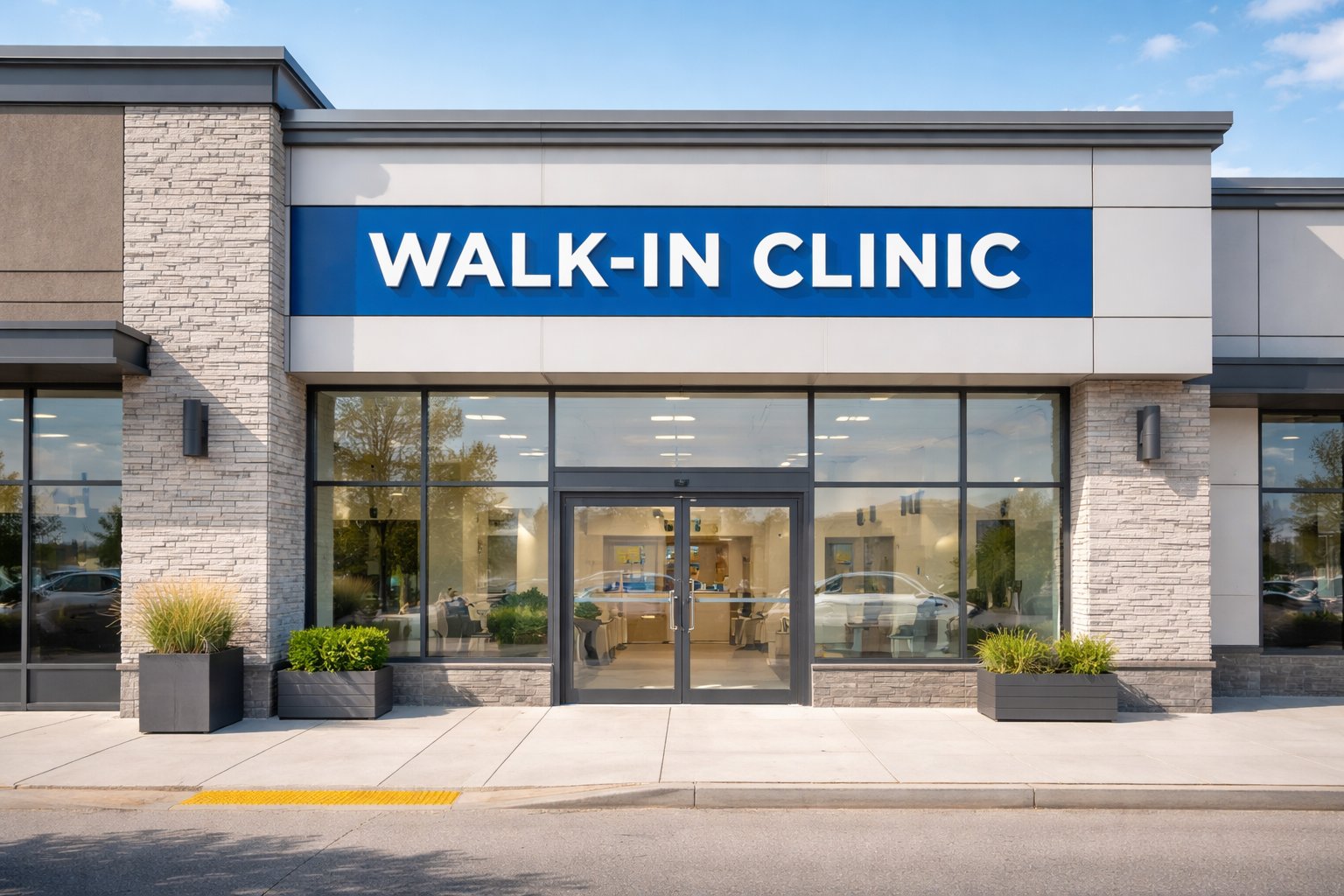
Is My Plaza Zoned for Medical Use? Converting Retail Space to Clinics
Vacant retail units can often become clinic space, but zoning, parking, building code, and servicing decide whether a conversion works. A landlord's guide to checking permitted uses, choosing the right units, and leasing an anchor first.
Read Article →
What Tenant Improvement Allowance Do Medical Tenants Expect?
Medical tenants often ask for more landlord investment than a typical office or retail tenant, because clinic build-outs are expensive. How TI allowances, turnkey deals, and free rent are structured, what drives the ask, and how landlords protect the investment.
Read Article →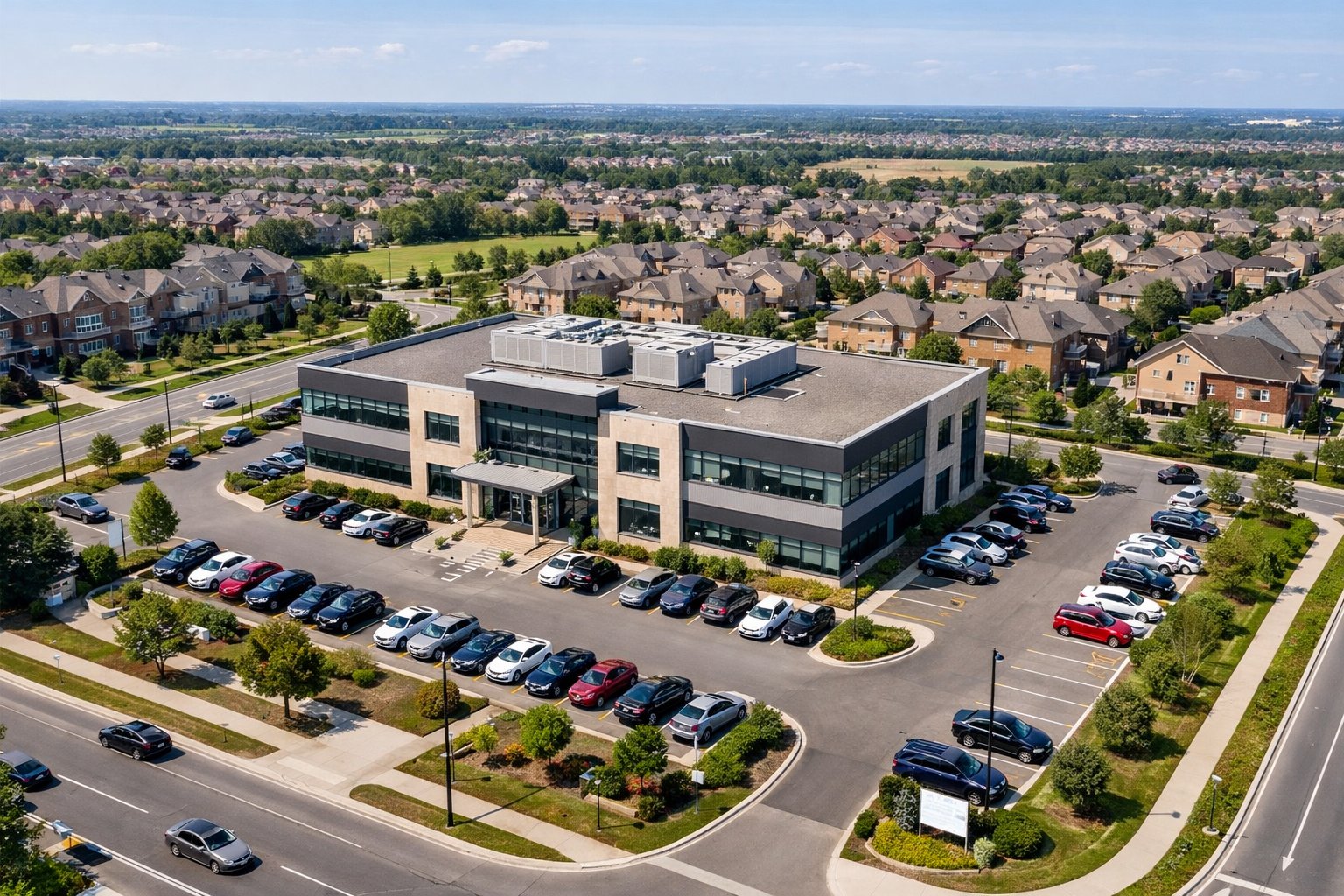
Medical or Retail Tenant? Choosing for Your Plaza or Building
Medical tenants tend to stay longer, draw needs-based traffic, and resist e-commerce, but they also bring heavier build-outs, higher parking loads, and specialized re-leasing. How owners weigh the trade-offs and plan a tenant mix that works.
Read Article →
Calgary Medical Office Space: The South Health Campus Effect
The South Health Campus has fundamentally reshaped the healthcare geography of Calgary's southeast quadrant, and the downstream effects on medical office leasing, clinic development, and specialist recruitment continue to play out across Mahogany, Auburn Bay, Seton, and the broader SE corridor.
Read Article →
Long-Term Care Home Development in Ontario: The MOHLTC Standards
Ontario's updated Long-Term Care Homes Act requirements have significant implications for the design, cost, and regulatory pathway for new LTC development. PRAXIS breaks down what healthcare developers and investors need to know before pursuing a new LTC project in Ontario.
Read Article →
Physician Lease Checklist: 12 Terms to Review Before Signing
Most physicians sign commercial leases without adequate advisory. This guide identifies the 12 lease provisions that have the greatest impact on a medical practice's long-term operational and financial wellbeing, and what PRAXIS negotiates on your behalf.
Read Article →
Why Healthcare Real Estate Holds Value Through a Downturn
While office and retail vacancy rates have fluctuated dramatically through economic cycles, healthcare real estate has maintained structural demand driven by demographics, not discretionary spending. The investment case for Canadian medical office buildings and clinical real estate has never been stronger.
Read Article →
Ottawa Medical Office Space: A Market Guide for Clinics and Investors
Ottawa's healthcare real estate market benefits from a unique combination of federal stability, academic health sciences anchors, and a large bilingual patient population. PRAXIS reviews the current supply-demand picture across Ottawa, Kanata, Barrhaven, Orleans, and Eastern Ontario.
Read Article →Alberta Medical Office Demand: How AHS Zone Planning Drives It
Alberta Health Services' five-zone structure (Calgary, Edmonton, Central, South, and North) shapes capital allocation, physician distribution, and community health infrastructure in ways that directly affect healthcare real estate values and development opportunities across the province.
Read Article →
Medical Clinic Space in Airdrie, Cochrane, and Okotoks
Calgary's suburban satellite communities are growing faster than their healthcare infrastructure can follow. PRAXIS profiles the clinic development opportunity in Airdrie, Cochrane, Chestermere, and Okotoks, markets where purpose-built medical facilities can achieve strong pre-leasing from day one.
Read Article →
Healthcare Sale-Leaseback: Unlocking Capital From Clinic Property
Sale-leaseback transactions allow healthcare operators to convert owned real estate into deployable capital while maintaining operational continuity. PRAXIS explains how these structures work, when they make sense, and what terms are critical to protecting the operator's long-term position.
Read Article →
Retirement Residence Real Estate in Ontario and Alberta
Canada's retirement residence and assisted living sector is facing a structural supply deficit as the baby boomer cohort ages into care. PRAXIS breaks down the real estate opportunity across retirement home development, acquisition, and long-term leasing, including RHRA licensing requirements in Ontario and the continuing care framework in Alberta.
Read Article →
Dental Office Space for Lease: What Dentists Should Know First
A dental lease is one of the most technically demanding leases in all of healthcare real estate: compressed air, vacuum lines, lead-lined x-ray suites, sterilization rooms, plumbing requirements for chairs, and exclusivity provisions are all critical. PRAXIS advises general dentists, orthodontists, oral surgeons, pediatric dentists, and multi-site dental groups on clinic leasing, purchase, and development across Ontario and Alberta.
Read Article →
Physiotherapy and Allied Health Clinic Space: A Leasing Guide
Allied health clinics (physiotherapy, chiropractic, occupational therapy, psychology, speech-language pathology, and naturopathic practices) have distinct space requirements that most commercial landlords do not accommodate by default. PRAXIS explains the key lease provisions, space programming considerations, and site selection strategy for allied health practitioners opening or expanding clinics across Ontario and Alberta.
Read Article →
Walk-In Clinic Real Estate: Site Selection and Lease Strategy
Walk-in and urgent care clinic real estate has unique location logic: high visibility, high traffic, strong co-tenancy with pharmacy and grocery, and accessible parking are all essential. PRAXIS advises walk-in clinic operators and urgent care networks on site selection, lease negotiation, and multi-site network expansion across Toronto, Ottawa, Hamilton, Calgary, Edmonton, and every major Ontario and Alberta market.
Read Article →