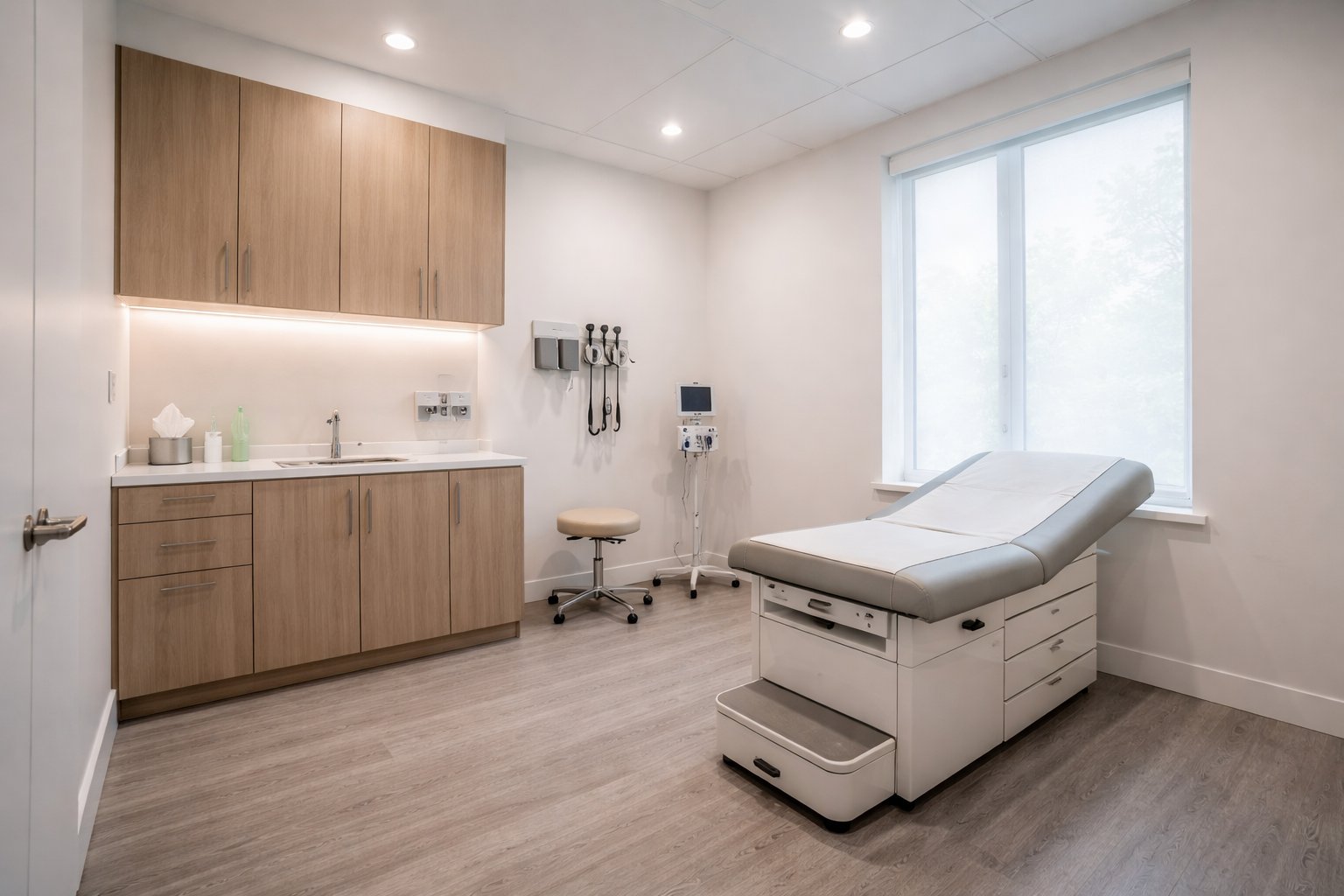
For many veterinarians, owning a practice is the long-term goal. But finding one to buy is harder than it looks. Some practices are marketed publicly, yet a large number change hands quietly: a retiring owner sells to an associate, a colleague, or a corporate group without the practice ever appearing on a listing site. If you are a DVM looking for a vet clinic or veterinary hospital for sale in Ontario or the GTA, understanding how these deals actually happen, and what the real estate needs to support, will put you in a much stronger position.
Practice, Property, or Both
The first decision is what you are actually buying. There are three common structures:
- The practice only. You acquire the business (goodwill, patient records, equipment, staff relationships) and take over or sign a lease for the premises.
- The real estate only. You buy a building that is suitable for veterinary use and open or relocate a practice into it.
- Both. You acquire the practice and the property it operates from, often from an owner who holds both.
Buying both gives you control of the location and builds long-term equity, but it requires substantially more capital and financing. Buying only the practice preserves cash for equipment, renovations, and working capital, but your occupancy then depends on the lease. Some buyers acquire the practice first and negotiate an option or right of first refusal on the real estate. Review the structures with your accountant and lawyer, since each carries different tax and financing consequences.
Why Many Practices Never Hit the Market
Two trends shape the Ontario veterinary market. Many practice owners are approaching retirement, and corporate consolidators have been actively acquiring independent clinics. Both reduce public listings. Retiring owners often prefer a quiet, confidential sale that does not unsettle staff or clients. Consolidators frequently approach owners directly and complete deals before anything is advertised.
For an individual buyer, that means waiting for listings leaves you competing for a small slice of the opportunities. The alternative is to go to the owners.
Approaching Owners Off-Market
An off-market approach means identifying practices or properties that fit your criteria and contacting owners directly, usually through a representative. A representative can reach out confidentially, gauge whether an owner is open to a conversation, and present you as a serious buyer without revealing your identity until the timing is right.
This works best when you are clear on what you want: location, practice size, species mix, whether you need the real estate, and your budget. It takes patience, since some owners will not be ready to sell for a year or two, but it opens doors that a listing search never will. PRAXIS maintains off-market inventory and runs targeted outreach for buyers.
What a Vet Hospital Site Needs
Whether you buy a building or evaluate an existing practice's premises, the site has to support veterinary operations. Key items include:
- Zoning. Animal hospital and veterinary clinic uses are often defined separately from medical or retail uses in municipal bylaws, and some bylaws attach conditions, especially where kennels or overnight boarding are involved. Confirm the permitted use for the exact property with the municipality or a land use planner.
- Noise. Barking and animal noise can create conflicts with neighbours, particularly in mixed-use buildings or near residential uses. Wall assemblies and unit placement matter.
- Ventilation. Kennel and ward areas need proper air exchange and odour control, and the HVAC system has to handle it.
- Waste. Veterinary operations generate biomedical and other regulated waste that requires proper storage and disposal arrangements.
- Radiology. X-ray rooms typically require shielding and are subject to radiation safety requirements. Confirm what the premises need with a qualified consultant.
- Parking and access. Clients arrive with animals, sometimes in carriers or on stretchers, so convenient parking and easy entry matter. Separate entrances or waiting areas for different species, or for euthanasia and end-of-life visits, are valued features.
Facility requirements also come from the profession's regulator. The College of Veterinarians of Ontario sets standards for veterinary facilities and their accreditation. Check the current requirements directly with the College before you buy or renovate, so the premises can meet them for the type of practice you intend to run.
Leasehold vs Owned
If you buy a practice in leased premises, the lease becomes one of the most important assets in the deal. Review it closely:
- How many years remain, and what renewal options exist
- Whether the permitted use covers your intended services, including any expansion
- Restoration obligations at the end of the term
- Whether the landlord requires a personal guarantee from the new owner
A short remaining term or restrictive renewal terms can reduce the value of the practice, because goodwill depends on staying in the location.
Lease Assignment When Buying a Practice
Most commercial leases require the landlord's consent before the lease can be assigned to a buyer. The landlord will usually want to review your financial position and experience, and may ask for a guarantee. Start this process early, since delays in landlord consent can hold up closing. In some cases it is better to negotiate a new lease directly with the landlord rather than take an assignment of the old one. Your lawyer should advise on the approach.
Assemble Your Due Diligence Team
Buying a veterinary practice involves several advisors:
- Lawyer, for the purchase agreement, lease assignment, and corporate structure
- Accountant, for tax structure, financial review, and the purchase price allocation
- Practice valuator, for an independent view of what the practice is worth
- Lender, ideally one familiar with professional practice financing
- Real estate representative, for the property, the lease, and off-market sourcing
How PRAXIS Helps
PRAXIS Healthcare Real Estate works with veterinarians and animal health operators across Ontario and Alberta on the real estate side of buying, leasing, and building clinics and hospitals. If we work with both parties on the same deal, it is disclosed in writing upfront and handled as provincial rules require. We help DVMs find practices and properties, including off-market opportunities, evaluate whether a site suits veterinary use, and negotiate lease and purchase terms. Learn more about our veterinary and animal health practice, browse our off-market inventory, or contact us for a confidential conversation.
Frequently asked
Some practices are listed publicly through practice brokers and listing sites, but many change hands privately, often when an owner retires or sells to another veterinarian or a corporate group. Working with a representative who approaches owners directly can surface opportunities that never reach a public listing.
It depends on your capital, goals, and what the seller offers. Buying both gives you control of the location and long-term equity, while buying only the practice and leasing the premises preserves capital for equipment and working capital. Review the options with your accountant, lawyer, and lender before deciding.
The existing lease usually has to be assigned to you, or a new lease signed, and most commercial leases require the landlord's consent to an assignment. Check the remaining term, renewal options, and any guarantee requirements early, because a short or restrictive lease can affect the value of the practice.
Zoning for an animal hospital or veterinary clinic is set by each municipality's bylaw, and it is often defined separately from general medical or retail uses, sometimes with specific conditions around kennels or overnight boarding. Confirm the permitted use for the exact property with the municipal planning department or a land use planner before you commit.